Ivermectin vs Mebendazole — Antiparasitic Comparison

Ivermectin vs Mebendazole — Mechanisms, Spectrum of Action & Clinical Differences

Ivermectin and mebendazole are two essential antiparasitic medications with distinct mechanisms and therapeutic roles. Ivermectin is active against nematodes and ectoparasites, including Demodex mites, scabies, and lice. Its dual antiparasitic and anti‑inflammatory activity makes it relevant in both dermatologic and systemic contexts. Topical ivermectin provides localized action with minimal systemic absorption, while oral formulations target systemic nematode infections.

Mebendazole, by contrast, is a broad‑spectrum anthelmintic primarily used for intestinal nematodes such as hookworm, whipworm, and roundworm. It works by inhibiting microtubule formation, disrupting parasite glucose uptake and energy metabolism. Differences between the two agents include mechanism of action, spectrum of activity, pharmacokinetics, formulation options, and safety profiles. Explore related sections: Ivermectin topical, Ivermectin oral vs topical, Ivermectin vs Albendazole.

Ivermectin vs Mebendazole — What Is Being Compared
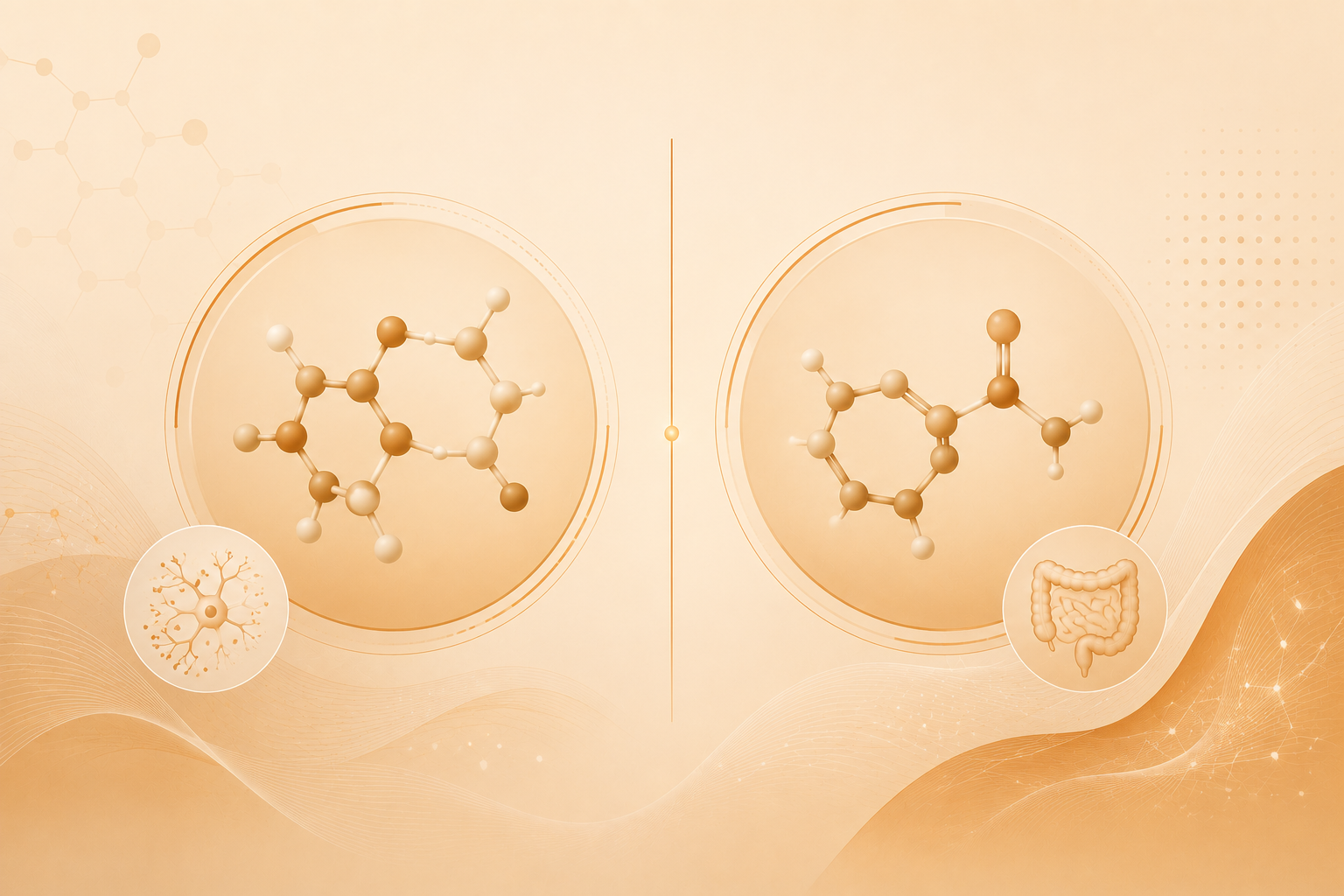
Ivermectin and mebendazole are two widely used antiparasitic agents, but they differ substantially in their active substances, formulations, mechanisms, and clinical applications. This comparison clarifies how each drug fits into helminth and ectoparasite management, and why they are not interchangeable despite overlapping indications for nematode infections.

Active Substances: Ivermectin vs Mebendazole

Ivermectin is a macrocyclic lactone that targets glutamate‑gated chloride channels, causing paralysis of nematodes and ectoparasites. Mebendazole is a benzimidazole that inhibits microtubule formation by binding β‑tubulin, disrupting glucose uptake and energy metabolism in helminths. These fundamentally different mechanisms explain their distinct therapeutic niches.

Formulations: Topical/Oral vs Oral Only

Ivermectin is available in oral tablets and topical formulations (creams, lotions, gels) used for Demodex, rosacea, scabies, and lice. Mebendazole is available only as an oral medication, used primarily for intestinal nematode infections.

Differences in Spectrum of Activity

  • Ivermectin — nematodes (Strongyloides, Onchocerca), ectoparasites (Demodex, scabies, lice).
  • Mebendazole — broad intestinal nematodes (Ascaris, hookworm, whipworm), limited activity against tissue parasites.

Ivermectin covers ectoparasites, while mebendazole does not. Mebendazole covers a wider range of intestinal helminths.

Differences in Clinical Scenarios

  • Ivermectin — Demodex rosacea, scabies, lice, strongyloidiasis, onchocerciasis.
  • Mebendazole — ascariasis, trichuriasis, hookworm infections, pinworm.

In some nematode infections, ivermectin and mebendazole may be used sequentially for broader coverage, but their roles remain distinct.

Ivermectin vs Mebendazole — Basic Differences

Parameter Ivermectin Mebendazole
Active substance Macrocyclic lactone Benzimidazole
Formulations Oral + topical Oral only
Spectrum Nematodes + ectoparasites Broad intestinal nematodes
Clinical use Demodex, scabies, lice, strongyloidiasis Ascariasis, hookworm, whipworm, pinworm

Mechanism of Action (MOA) — Fundamental Difference

The mechanisms of action of ivermectin and mebendazole differ at the molecular level, defining their therapeutic roles, antiparasitic spectrum, and clinical relevance. These distinctions explain why ivermectin is preferred for nematodes and ectoparasites, while mebendazole remains a cornerstone therapy for intestinal helminths. A detailed mechanistic overview is available at Ivermectin MOA.

Ivermectin — Glutamate‑Gated Chloride Channel Modulation

Ivermectin binds selectively to glutamate‑gated chloride channels in nerve and muscle cells of nematodes and ectoparasites. This increases chloride influx, causing hyperpolarization, paralysis, and eventual death of the parasite. In topical form, ivermectin also provides a notable anti‑inflammatory effect, suppressing IL‑8, TNF‑α, and TLR‑2 pathways — a key reason for its effectiveness in Demodex‑associated rosacea.

Mebendazole — Microtubule Synthesis Inhibition

Mebendazole inhibits β‑tubulin polymerization, preventing microtubule formation in helminths. This disrupts glucose uptake and energy metabolism, leading to gradual immobilization and death of intestinal nematodes. Unlike ivermectin, mebendazole does not affect ectoparasites and has limited activity outside the gastrointestinal tract.

Clinical Implications of MOA Differences

  • Ivermectin — best for nematodes and ectoparasites (Demodex, scabies, lice).
  • Mebendazole — optimal for intestinal nematodes (Ascaris, hookworm, whipworm, pinworm).

MOA Ivermectin vs Mebendazole — Comparison

Parameter Ivermectin Mebendazole
Primary target Glutamate‑gated chloride channels β‑tubulin polymerization
Effect Paralysis of nematodes & ectoparasites Energy depletion & death of intestinal helminths
Anti‑inflammatory Yes (topical) No
Spectrum Nematodes + ectoparasites Broad intestinal nematodes

Pharmacokinetics (PK) — Similarities and Differences

The pharmacokinetic profiles of ivermectin and mebendazole differ significantly due to formulation, absorption, and systemic distribution. These differences determine their suitability for topical vs intestinal therapy. A detailed PK overview is available at Ivermectin PK.

Ivermectin Topical — Minimal Absorption

Ivermectin topical shows very low systemic absorption, remaining localized in the epidermis and follicular units. This minimizes systemic side effects and makes it ideal for facial dermatoses.

Ivermectin Oral — Systemic Activity

Ivermectin oral is absorbed systemically and distributed widely, enabling effective treatment of nematode infections and ectoparasitic infestations such as scabies outbreaks.

Mebendazole — Low Absorption, Intestinal Action

Mebendazole has poor gastrointestinal absorption, which is advantageous because it allows high drug concentrations to remain in the intestinal lumen — the primary site of helminth infection. Systemic absorption increases slightly with fatty meals, but remains low overall.

Effect of Fatty Food on Bioavailability

Fatty meals can increase mebendazole bioavailability, but the clinical impact is modest. Ivermectin absorption is less dependent on food.

PK Ivermectin vs Mebendazole — Key Parameters

Parameter Ivermectin Mebendazole
Topical absorption Minimal Not applicable
Oral absorption Moderate Low (primarily intestinal action)
Food effect Minimal Increases absorption with fatty meals
Systemic distribution High (oral) Low

Spectrum of Activity: Nematodes, Ectoparasites, Tissue Parasites

The antiparasitic spectrum of ivermectin and mebendazole differs substantially due to their molecular targets, pharmacokinetics, and tissue distribution. These differences determine which organisms each drug can eliminate effectively and why they occupy distinct therapeutic niches. Ivermectin is dominant in ectoparasitic and selected nematode infections, while mebendazole remains the primary agent for intestinal helminths.

Ivermectin — Nematodes and Ectoparasites

Ivermectin demonstrates strong activity against several nematodes and ectoparasites:

  • Nematodes: Strongyloides stercoralis, Onchocerca volvulus, and some intestinal roundworms.
  • Ectoparasites: Demodex folliculorum, scabies mites, lice.

Ivermectin’s mechanism — paralysis via glutamate‑gated chloride channels — makes it uniquely effective for ectoparasites and follicular infestations. However, ivermectin has limited activity against many intestinal nematodes and no significant activity against tissue parasites or cestodes.

Mebendazole — Broad Intestinal Nematode Coverage

Mebendazole is a benzimidazole with broad activity against intestinal nematodes:

  • Enterobius vermicularis (pinworm)
  • Ascaris lumbricoides (roundworm)
  • Trichuris trichiura (whipworm)
  • Hookworms (Ancylostoma, Necator)

Mebendazole’s mechanism — inhibition of microtubule synthesis — disrupts glucose uptake and energy metabolism in helminths. It has weak activity against tissue parasites and no activity against ectoparasites such as Demodex, scabies, or lice.

Clinical Implications of Spectrum Differences

  • Ivermectin — best for ectoparasites and selected nematodes; limited intestinal coverage.
  • Mebendazole — best for intestinal nematodes; ineffective for ectoparasites and tissue parasites.

Spectrum of Activity — Ivermectin vs Mebendazole

Parameter Ivermectin Mebendazole
Nematodes Strong activity (Strongyloides, Onchocerca) Broad intestinal nematode coverage
Ectoparasites High activity (Demodex, scabies, lice) No activity
Intestinal nematodes Limited activity High activity (Enterobius, Ascaris, Trichuris)
Tissue parasites Not effective Weak activity

Efficacy Across Conditions: Demodex, Rosacea, Intestinal Nematodes, Tissue Nematodes

The therapeutic effectiveness of ivermectin and mebendazole varies significantly depending on the type of parasitic infection. Their mechanisms, tissue penetration, and pharmacologic behavior determine which conditions each drug can treat successfully. Ivermectin dominates in Demodex‑associated dermatoses and certain tissue nematodes, while mebendazole remains the primary agent for intestinal helminths.

Demodex

Ivermectin for demodex is one of the most effective therapies for Demodex folliculorum. Its action on glutamate‑gated chloride channels rapidly paralyzes mites, reducing density and improving inflammatory symptoms. Mebendazole has no activity against Demodex or other ectoparasites.

Rosacea (Demodex‑Associated)

Ivermectin for rosacea is highly effective for papulopustular rosacea with Demodex overgrowth. Its dual antiparasitic and anti‑inflammatory effects reduce lesions, erythema, and skin sensitivity. Mebendazole is not used for rosacea and has no role in treating inflammatory facial dermatoses.

Intestinal Nematodes

Mebendazole is the first‑line therapy for most intestinal nematodes due to its broad activity and high luminal concentrations:

  • Enterobius vermicularis (pinworm)
  • Ascaris lumbricoides
  • Trichuris trichiura
  • Hookworms

Ivermectin has limited effectiveness against many intestinal nematodes and is generally not used as monotherapy for these infections.

Tissue Nematodes

Ivermectin is a key therapy for several tissue‑invading nematodes, thanks to its systemic distribution and potent activity against:

  • Strongyloides stercoralis
  • Onchocerca volvulus

Mebendazole has weak activity against tissue nematodes due to poor systemic absorption and limited tissue penetration.

Efficacy Across Conditions — Comparison Table

Condition Ivermectin Mebendazole
Demodex Highly effective Ineffective
Rosacea Effective for Demodex‑associated rosacea Not used
Intestinal nematodes Limited role First‑line therapy
Tissue nematodes Key therapy (Strongyloides, Onchocerca) Weak activity

Ivermectin + Mebendazole — When They Are Used Together

Although ivermectin and mebendazole have distinct mechanisms and therapeutic niches, they may appear together in certain helminth‑control strategies or mixed‑infection scenarios. This section provides an informational overview — not treatment advice — describing situations where both agents are used within the same therapeutic framework.

Combined Approaches in Helminth Control

Some parasitic infections involve multiple nematode species or require broader coverage than a single drug can provide. In such cases, ivermectin and mebendazole may be administered sequentially or as part of mass‑drug‑administration programs. Examples include:

  • Mixed intestinal nematode infections — mebendazole targets Ascaris, Trichuris, Enterobius; ivermectin covers Strongyloides.
  • Strongyloides + soil‑transmitted helminths — ivermectin is essential for Strongyloides, while mebendazole expands intestinal coverage.
  • Public‑health deworming programs — some regions use alternating or combined regimens to reduce reinfection rates.

Mechanistic Synergy

The synergy arises from their complementary biological actions:

  • Ivermectin — paralysis via glutamate‑gated chloride channels.
  • Mebendazole — inhibition of microtubule synthesis and glucose uptake.

Because they target different pathways, using both can broaden antiparasitic coverage in complex or mixed infections.

Ivermectin + Mebendazole — Informational Combinations

Scenario Ivermectin role Mebendazole role
Mixed nematodes Strongyloides, Onchocerca Ascaris, Trichuris, Enterobius
Public‑health deworming Broad antiparasitic coverage Intestinal helminth reduction
Sequential therapy Systemic/tissue nematodes Intestinal nematodes

Tolerability and Side Effects: Ivermectin vs Mebendazole

The tolerability profiles of ivermectin and mebendazole differ due to their routes of administration, systemic exposure, and metabolic pathways. Topical ivermectin is particularly well tolerated, while mebendazole’s gastrointestinal and hepatic effects reflect its luminal and hepatic metabolism. A detailed overview of ivermectin’s topical safety is available at Ivermectin topical — side effects.

Ivermectin — Gentle Tolerability

Ivermectin is known for its favorable safety profile, especially in topical form:

  • Topical ivermectin — very low irritation risk, smooth emollient base, minimal systemic absorption.
  • Oral ivermectin — systemic reactions are rare and usually mild.

Its anti‑inflammatory activity further reduces skin reactivity, making it suitable for sensitive or rosacea‑prone skin.

Mebendazole — Gastrointestinal and Hepatic Effects

Mebendazole is poorly absorbed systemically, which limits systemic toxicity but increases luminal exposure. Common effects include:

  • GI symptoms (abdominal discomfort, nausea)
  • rare allergic reactions
  • possible elevation of liver enzymes, especially with prolonged use

Because mebendazole acts primarily in the intestine, most side effects are gastrointestinal, with hepatic effects occurring mainly during extended therapy.

Side Effects — Ivermectin vs Mebendazole

Parameter Ivermectin Mebendazole
Irritation risk Very low (topical) Not applicable
GI symptoms Rare Common
Systemic reactions Rare Rare but possible
Liver enzymes No significant effect Possible elevation

Contraindications and Limitations: Ivermectin vs Mebendazole

The safety and contraindication profiles of ivermectin and mebendazole differ due to their metabolic pathways, systemic exposure, and formulation types. These distinctions define their limitations across dermatologic and helminthic indications. Topical ivermectin has minimal restrictions, whereas mebendazole requires hepatic considerations due to its metabolism and potential GI effects.

Ivermectin — Minimal Restrictions, Especially Topical

Ivermectin topical has extremely low systemic absorption, resulting in very few contraindications. Its localized action and gentle vehicle make it suitable even for sensitive or rosacea‑prone skin. Key points:

  • minimal systemic exposure → low interaction risk
  • rare irritation or hypersensitivity
  • no hepatic metabolism burden

Ivermectin oral has more considerations but remains well tolerated. Limitations relate mainly to rare hypersensitivity and caution in severe systemic illness.

Mebendazole — Hepatic Considerations and Systemic Limitations

Mebendazole undergoes hepatic metabolism and can affect liver enzymes, especially during prolonged therapy. Important considerations include:

  • possible elevation of liver enzymes
  • avoidance in active liver disease
  • caution during extended courses for heavy helminthic burden

Because mebendazole acts primarily in the intestine, systemic reactions are rare but possible, especially in cases of parasite die‑off.

Contraindications — Comparison Table

Parameter Ivermectin Mebendazole
Systemic metabolism Minimal (topical) / moderate (oral) Hepatic metabolism
Hepatic considerations None for topical; low for oral Significant; monitor liver enzymes
Skin irritation Very low (topical) Not applicable
Systemic reactions Rare Rare but possible

Price and Commercial Differences: Ivermectin vs Mebendazole

The commercial profiles of ivermectin and mebendazole differ sharply due to formulation complexity, therapeutic niches, and brand vs generic availability. These differences influence cost across dermatologic and helminthic indications. More detailed pricing information is available at Ivermectin price and Soolantra price.

Ivermectin — Branded and Generic Forms

Ivermectin exists in multiple commercial forms:

  • Branded topical ivermectin (Soolantra) — premium dermatology‑grade formulation with a significantly higher price.
  • Generic topical ivermectin — more affordable but variable in vehicle quality.
  • Oral ivermectin — inexpensive generic tablets used for nematodes and ectoparasites.

Topical ivermectin is used for chronic dermatologic conditions, making branded formulations a major cost driver.

Mebendazole — Low‑Cost Generic

Mebendazole is widely available as a low‑cost generic oral medication. Its simple formulation and luminal action make it one of the most affordable antiparasitic agents globally. Despite its low price, it remains the first‑line therapy for many intestinal nematodes.

Cost Differences by Indication

  • Demodex / rosacea — ivermectin topical is expensive; mebendazole is not used.
  • Intestinal nematodes — mebendazole is extremely inexpensive; ivermectin has limited use.
  • Tissue nematodes — ivermectin oral is low‑cost; mebendazole is less effective.

Price Comparison — Ivermectin vs Mebendazole

Parameter Ivermectin Mebendazole
Topical cost High (branded) / moderate (generic) Not applicable
Oral cost Low Low
Use in dermatology Expensive (Soolantra) Not used
Use in helminths Low (selected nematodes) Very low (broad intestinal nematodes)

Final Comparison: Ivermectin vs Mebendazole

Ivermectin and mebendazole occupy distinct therapeutic niches due to their mechanisms, spectrum of activity, and formulation differences. Ivermectin is the leading agent for Demodex, ectoparasites, and selected nematodes, while mebendazole remains the first‑line therapy for intestinal helminths.

When Ivermectin Is Preferable

  • Demodex infestation and Demodex‑associated rosacea
  • Ectoparasites (scabies, lice)
  • Tissue nematodes such as Strongyloides and Onchocerca
  • Cases requiring topical therapy with minimal systemic exposure

When Mebendazole Is Preferable

  • Intestinal nematodes (Ascaris, Trichuris, Enterobius, hookworms)
  • Situations requiring low‑cost, broad intestinal coverage
  • Mass‑deworming programs

Ivermectin vs Mebendazole — Final Summary Table

Parameter Ivermectin Mebendazole
Best use Demodex, ectoparasites, tissue nematodes Intestinal nematodes
Mechanism Chloride‑channel paralysis Tubulin inhibition → metabolic collapse
Formulations Topical + oral Oral only
Spectrum Nematodes + ectoparasites Broad intestinal nematodes

Ivermectin vs Mebendazole – Frequently Asked Questions

Ivermectin and mebendazole are both antiparasitic medications, but they differ in mechanism, spectrum, and clinical use. Ivermectin targets nematodes and ectoparasites such as Demodex, scabies, and lice, while mebendazole is primarily used for intestinal nematodes including hookworm, whipworm, and roundworm. Their pharmacologic profiles, formulations, and safety considerations vary, making each suitable for different parasitic infections.

Ivermectin works by binding to glutamate‑gated chloride channels in parasites, causing paralysis and death. It is effective against nematodes and ectoparasites, including Demodex mites, scabies, and lice. Topical ivermectin provides localized action with minimal systemic absorption, while oral ivermectin is used for systemic nematode infections. Its anti‑inflammatory effects also contribute to its dermatologic use.

Mebendazole works by inhibiting microtubule formation in parasites, disrupting glucose uptake and energy production. This leads to gradual parasite death. It is effective against a wide range of intestinal nematodes, including hookworm, whipworm, and roundworm. Because it acts locally in the gastrointestinal tract, systemic absorption is minimal, contributing to its favorable safety profile for short‑term use.

Ivermectin is used for nematode infections such as strongyloidiasis and onchocerciasis, as well as ectoparasitic infestations including scabies, lice, and Demodex‑associated skin conditions. Its dual antiparasitic and anti‑inflammatory activity makes it useful in both systemic and dermatologic contexts. Topical ivermectin is widely used for Demodex‑related rosacea.

Mebendazole is primarily used for intestinal nematodes, including hookworm, whipworm, roundworm, and pinworm. It is also used in some cases of mixed helminth infections due to its broad coverage. Because it acts locally in the gastrointestinal tract, it is particularly effective for intestinal parasites that rely on glucose metabolism.

Ivermectin targets nematodes and ectoparasites, while mebendazole focuses on intestinal nematodes. Ivermectin is effective for systemic nematode infections and parasitic skin conditions, whereas mebendazole is preferred for gastrointestinal helminths. Their differing mechanisms and pharmacokinetics determine which parasites each medication is best suited to treat.

Ivermectin is generally well tolerated, especially in topical form, with mild and localized side effects. Oral ivermectin may cause dizziness or mild gastrointestinal symptoms. Mebendazole is also well tolerated, with most side effects limited to short‑term gastrointestinal discomfort. Because mebendazole has minimal systemic absorption, it is often preferred for intestinal infections requiring brief treatment.

In some parasitic infections, ivermectin and mebendazole may be used together to broaden coverage or improve treatment outcomes. Combination therapy is sometimes used in regions with high helminth burden. However, combined use may increase the likelihood of gastrointestinal side effects, so treatment decisions depend on infection type, severity, and individual tolerability.

The speed of action depends on the parasite being treated. Ivermectin often works quickly for ectoparasites such as scabies and lice, while mebendazole may require multiple doses for intestinal nematodes. Some infections, such as whipworm or hookworm, may require repeated mebendazole dosing for full clearance. For Demodex‑related skin issues, topical ivermectin may show gradual improvement over several weeks.

Ivermectin has minimal systemic absorption when used topically and moderate absorption when taken orally. Mebendazole has very low systemic absorption, acting primarily in the gastrointestinal tract. These pharmacokinetic differences influence dosing schedules, tissue penetration, and suitability for specific infections, particularly systemic versus intestinal parasites.

Both ivermectin and mebendazole are used for nematode infections, but their roles differ by species. Ivermectin is preferred for strongyloidiasis and onchocerciasis, while mebendazole is commonly used for hookworm, whipworm, and roundworm. In some cases, combination therapy may be used to improve coverage or reduce reinfection risk, especially in high‑burden regions.

Ivermectin is generally preferred for ectoparasites such as scabies, lice, and Demodex mites due to its targeted antiparasitic and anti‑inflammatory activity. Mebendazole does not have significant activity against ectoparasites and is not used for these conditions. For skin‑related parasitic issues, ivermectin—especially topical formulations—is typically the more suitable option.

Both ivermectin and mebendazole are available in generic forms, making them relatively affordable. Mebendazole is often inexpensive due to its widespread use for intestinal helminths. Ivermectin topical formulations may vary in price depending on brand and concentration. Cost differences often depend on formulation, dosage, and treatment duration.

Additional information is available in related sections covering ivermectin topical, ivermectin oral vs topical comparisons, and ivermectin vs albendazole. These resources provide deeper insights into mechanisms, safety, pharmacology, and how each medication fits into antiparasitic treatment strategies.