Pricing • Generic Options • Topical & Oral Forms

Ivermectin Price — Compare Cost of Cream, Gel & Tablets

Ivermectin is available in multiple formulations, including topical creams, gels, lotions, and oral tablets. Pricing varies widely depending on the form, concentration, brand, country of purchase, and package size. Topical ivermectin is typically more expensive on a per‑gram basis due to specialized dermatologic formulations, while oral ivermectin tablets are generally more affordable and widely available in generic versions.

Brand‑name Soolantra (ivermectin 1% cream) is significantly more expensive than generic ivermectin creams or oral tablets, often costing several times more per unit. Understanding these price differences helps patients choose the most cost‑effective option for rosacea, Demodex, or parasitic indications. Explore related pricing resources: Ivermectin topical, Ivermectin cream 1%, Soolantra price.

Ivermectin — Average Price Ranges
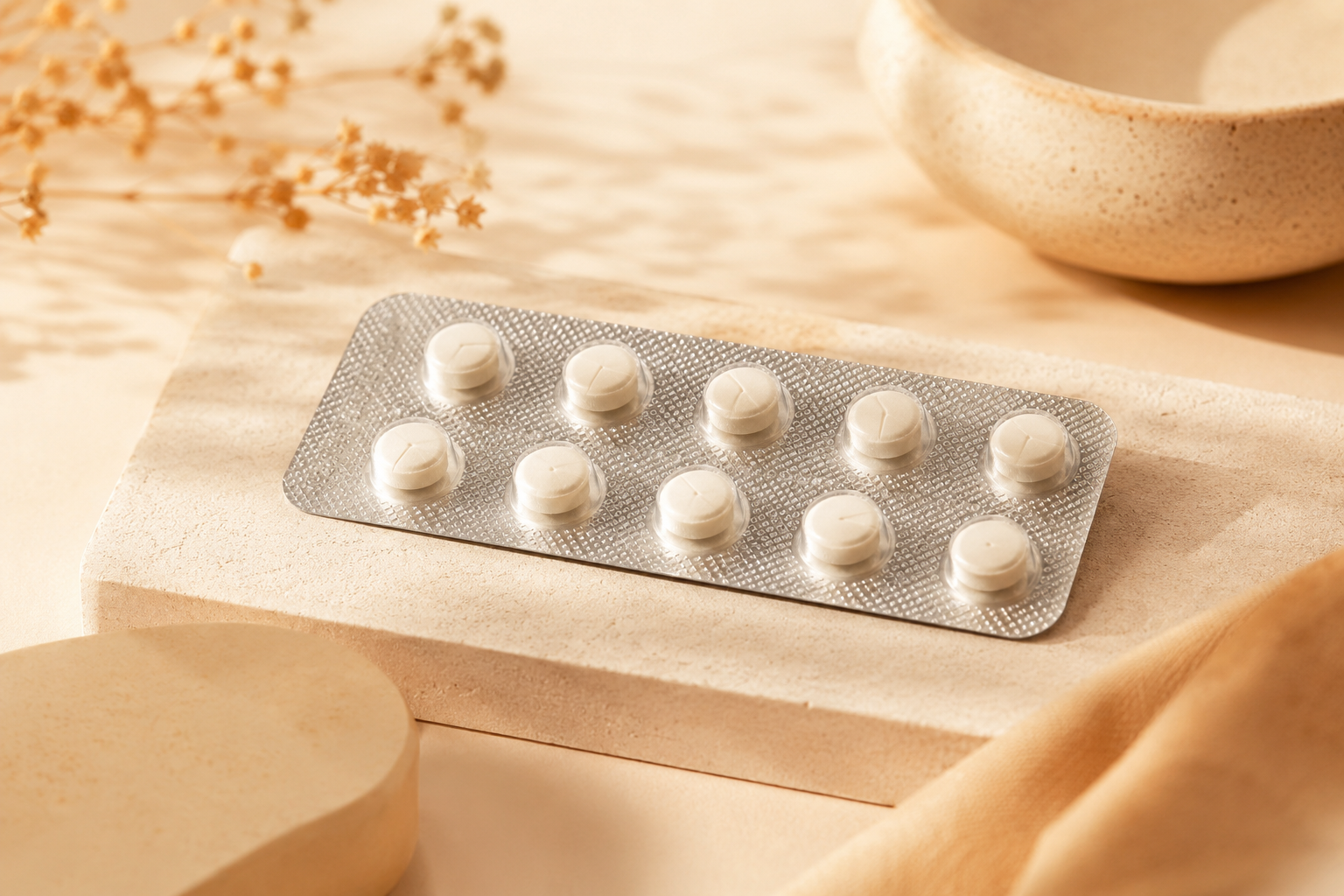
The cost of ivermectin varies significantly depending on the formulation, concentration, and whether the product is branded or generic. In general, topical ivermectin (cream, gel, lotion) is more expensive per gram than oral ivermectin tablets, largely due to formulation complexity and dermatologic indications. Branded products such as Soolantra are priced substantially higher than generics, while generic oral ivermectin remains the most affordable option.

Topical Ivermectin (Cream / Gel / Lotion)

Topical formulations are typically used for rosacea and Demodex‑associated dermatoses. Prices vary by concentration (usually 1%), formulation type, and brand status. Branded Soolantra is the most expensive option, while generic ivermectin creams and gels offer more accessible pricing.

Oral Ivermectin (Tablets)

Oral ivermectin tablets are generally inexpensive due to widespread generic availability. Prices depend on strength (3 mg, 6 mg, 12 mg) and package size. These formulations are primarily used for parasitic infections rather than dermatologic conditions.

Brand vs Generic

Brand‑name topical ivermectin (e.g., Soolantra) can cost several times more than generic equivalents. In contrast, oral ivermectin shows minimal price difference between brand and generic due to broad global production.

Ivermectin — Average Price Ranges by Form

Form Concentration Price range Comment
Topical cream 1% Moderate–high Branded Soolantra significantly more expensive
Topical gel/lotion 1% Moderate Generic options cheaper than cream
Oral tablets 3–12 mg Low Most affordable due to generic availability
Brand vs generic Varies Wide variation Brand topical far higher than generic

Topical Ivermectin Price (Cream, Gel, Lotion)

The cost of topical ivermectin varies widely depending on formulation type, concentration, brand status, and packaging volume. In dermatology, topical ivermectin is primarily used for rosacea and Demodex‑associated dermatoses, and its pricing reflects formulation complexity and cosmetic elegance. A detailed overview of cream formulations is available at Ivermectin cream 1%.

Generic Ivermectin Cream 1%

Generic 1% ivermectin cream is the most affordable topical option. Prices depend on tube size (15 g, 30 g, 45 g) and manufacturer. Generics typically offer:

  • lower cost per gram
  • simpler formulation compared to branded Soolantra
  • good tolerability with similar active ingredient concentration

Ivermectin Gel 1%

Gel formulations are often priced slightly lower than creams due to simpler vehicles. They are preferred for oily or combination skin and may offer faster absorption but less moisturizing effect.

Ivermectin Lotion 0.5–1%

Lotion formulations (0.5–1%) are typically mid‑range in price. They provide lighter texture and better spreadability, making them suitable for larger areas. Pricing varies based on concentration and cosmetic quality of the vehicle.

Key Factors Influencing Price

  • Tube volume — larger tubes reduce cost per gram
  • Brand vs generic — branded products cost significantly more
  • Concentration — higher concentrations may increase price
  • Formulation type — creams are usually more expensive than gels

Topical Ivermectin — Estimated Price Ranges

Form Concentration Price range Comment
Cream 1% Moderate Generic options significantly cheaper than Soolantra
Gel 1% Low–moderate Often cheaper due to simpler formulation
Lotion 0.5–1% Moderate Light texture; price varies by concentration

Soolantra vs Generic Ivermectin — Price Comparison

The price gap between Soolantra (the branded ivermectin cream by Galderma) and generic ivermectin is one of the most significant in dermatology. While both contain ivermectin as the active ingredient, differences in formulation, vehicle quality, and brand positioning strongly influence cost. A detailed comparison is available at Ivermectin vs Soolantra.

Soolantra — Premium Branded Formulation

Soolantra is positioned as a premium dermatologic product. Its higher price reflects:

  • Galderma’s proprietary cream base with enhanced cosmetic elegance
  • clinical trial data supporting rosacea efficacy
  • brand reputation and dermatology‑focused marketing

As a result, Soolantra often costs several times more than generic ivermectin creams.

Generic Ivermectin — Budget‑Friendly Alternative

Generic ivermectin creams provide the same 1% active ingredient at a fraction of the cost. Differences include:

  • simpler cream bases
  • less elegant texture and spreadability
  • similar efficacy for Demodex‑associated rosacea

For many patients, generics offer excellent value without compromising therapeutic effect.

Formulation Differences and Their Impact on Price

While both Soolantra and generics contain ivermectin 1%, the vehicle plays a major role in tolerability and user experience. Soolantra’s smoother, more hydrating base contributes to its premium pricing.

Soolantra vs Generic Ivermectin — Price Comparison Table

Product Concentration Price range Comment
Soolantra 1% High Premium vehicle; dermatology‑grade formulation
Generic ivermectin cream 1% Low–moderate Budget alternative with similar active ingredient
Generic gel/lotion 0.5–1% Low–moderate Cheaper formulations; lighter texture

Oral Ivermectin Price (Tablets)

The cost of oral ivermectin tablets is generally lower than topical formulations due to widespread global production and availability of multiple generics. Prices vary based on tablet strength (3 mg, 6 mg, 12 mg), package size, and manufacturer. Oral ivermectin is primarily used for parasitic infections, and its affordability contributes to its broad clinical adoption. More details on specific strengths are available at Ivermectin 3 mg tablets and Ivermectin 6 mg tablets.

3 mg Tablets

The 3 mg strength is the most commonly used and typically the most affordable. Pricing depends on blister size (e.g., 2–20 tablets). Generics dominate this segment, keeping costs low.

6 mg Tablets

6 mg tablets are moderately priced and often chosen for dosing convenience. They reduce pill burden compared to 3 mg tablets, which may slightly increase cost per tablet but not per milligram.

12 mg Tablets

12 mg tablets are usually the highest‑priced per unit but may offer better value per milligram. They are preferred in regions where higher‑strength tablets simplify treatment logistics.

Price Determinants

  • Dosage strength — higher strengths cost more per tablet
  • Package size — larger packs reduce cost per tablet
  • Brand vs generic — generics dominate and keep prices low

Oral Ivermectin — Estimated Price Ranges

Form Strength Price range Comment
Tablets 3 mg Low Most affordable; widely available generics
Tablets 6 mg Low–moderate Higher strength; convenient dosing
Tablets 12 mg Moderate Best value per mg; fewer tablets needed

Ivermectin Price by Clinical Indication

The cost of ivermectin varies not only by formulation but also by clinical indication. Dermatologic uses such as rosacea and Demodex infestation typically require topical formulations, which are more expensive per gram. Parasitic infections such as scabies and lice may require either topical or oral ivermectin, depending on severity and regional guidelines. More information is available at Ivermectin for rosacea, Ivermectin for demodex, Ivermectin vs Permethrin.

Rosacea

Rosacea treatment relies on topical ivermectin 1%. Prices are higher due to dermatology‑grade formulations and cosmetic vehicle quality. Branded Soolantra is the most expensive option, while generics offer more affordable alternatives.

Demodex Infestation

Demodex‑associated dermatoses may require prolonged topical therapy. Costs depend on tube size and formulation type (cream, gel, lotion). Generic options significantly reduce long‑term expenses.

Scabies / Lice

For scabies and lice, ivermectin may be used orally or topically. Oral ivermectin tablets are generally inexpensive, making them cost‑effective for widespread infestations. Topical ivermectin is more costly and typically reserved for resistant or sensitive‑skin cases.

Ivermectin Price by Clinical Scenario — Summary Table

Indication Preferred form Price range Comment
Rosacea Topical 1% cream Moderate–high Branded Soolantra highest; generics cheaper
Demodex infestation Topical 1% cream/gel Moderate Cost varies with duration and tube size
Scabies / lice Oral tablets Low Most cost‑effective option for large‑area infestation

Factors Influencing the Cost of Ivermectin

The price of ivermectin varies widely across markets due to a combination of pharmaceutical, regulatory, and commercial factors. Understanding these variables is essential for comparing formulations, estimating treatment costs, and evaluating branded versus generic options. The following overview summarizes the primary determinants shaping ivermectin pricing across topical and oral forms.

Brand vs Generic

Brand‑name products—especially dermatology‑grade formulations like Soolantra—are significantly more expensive due to proprietary vehicles, clinical trial investments, and marketing. Generics, by contrast, offer the same active ingredient at a fraction of the cost.

Concentration

Higher concentrations (e.g., 1% topical vs 0.5%) typically cost more due to increased active ingredient content and stricter formulation requirements.

Dosage Form

Topical creams are generally the most expensive due to complex cosmetic vehicles. Gels and lotions are moderately priced, while oral tablets remain the most affordable due to simple manufacturing and widespread generic availability.

Package Volume

Larger tubes or blister packs reduce the cost per gram or per tablet, although the upfront price is higher.

Country of Manufacture

Prices vary significantly by region due to regulatory policies, import costs, and local manufacturing capabilities. Countries with strong generic industries typically offer lower prices.

Manufacturer Pricing Strategy

Pharmaceutical companies may set premium prices for branded dermatology products, while generic manufacturers compete primarily on affordability.

Factors Influencing Ivermectin Cost — Summary Table

Factor Impact
Brand vs generic Brand significantly more expensive
Concentration Higher % → higher price
Formulation Cream > gel/lotion > tablets
Package size Larger volume → lower cost per gram
Country of origin Regulation & manufacturing affect price
Manufacturer policy Premium pricing for branded dermatology products

Ivermectin Price Compared to Alternatives

The cost of ivermectin varies considerably when compared to other topical treatments used for rosacea, Demodex infestation, and inflammatory dermatoses. Differences arise from formulation complexity, manufacturing costs, and therapeutic positioning. Detailed comparisons are available at: Ivermectin vs Benzyl benzoate, Ivermectin vs Azelaic acid, Ivermectin vs Metronidazole, Ivermectin vs Permethrin.

Ivermectin vs Metronidazole

Metronidazole is typically cheaper than ivermectin, especially in generic gel or cream forms. However, ivermectin’s superior efficacy in Demodex‑associated rosacea often justifies its higher cost.

Ivermectin vs Azelaic Acid

Azelaic acid is moderately priced but varies widely by brand. Some premium formulations approach the cost of ivermectin, while generics remain cheaper.

Ivermectin vs Benzyl Benzoate

Benzyl benzoate is one of the cheapest antiparasitic topicals but is highly irritating and unsuitable for facial use. Ivermectin is more expensive but dramatically safer and more tolerable.

Ivermectin vs Permethrin

Permethrin is generally inexpensive, especially in 5% cream formulations. However, it is not optimized for rosacea and may cause irritation, making ivermectin a better‑tolerated but costlier option.

Ivermectin vs Alternatives — Price Comparison Table

Treatment Typical price Comment
Ivermectin Moderate–high Premium dermatology formulations increase cost
Metronidazole Low–moderate Cheaper; widely available generics
Azelaic acid Moderate Price varies by brand; some premium options
Benzyl benzoate Very low Cheap but highly irritating
Permethrin Low Inexpensive; not optimized for rosacea

Economic Value of Ivermectin

The economic efficiency of ivermectin is determined by the balance between its cost, duration of therapeutic effect, tolerability, and strength of clinical evidence. Across dermatologic and parasitic indications, ivermectin consistently demonstrates a favorable cost‑to‑benefit ratio, especially when compared with alternatives that require more frequent application, cause higher irritation, or offer less durable results.

Cost vs Duration of Effect

Ivermectin provides a long‑lasting therapeutic effect, particularly in rosacea and Demodex‑associated dermatoses. Its prolonged skin retention and sustained anti‑inflammatory activity reduce flare frequency and minimize the need for repeated treatments. This makes ivermectin economically advantageous despite higher upfront costs compared with some generics or older therapies.

Cost vs Tolerability

High tolerability translates into better adherence, reducing treatment failures and the need for switching therapies. Unlike azelaic acid or benzyl benzoate, ivermectin rarely causes irritation, which lowers the risk of discontinuation and additional dermatologic care. This stability enhances its long‑term economic value.

Cost vs Clinical Evidence

Ivermectin is supported by strong clinical data demonstrating superior efficacy in Demodex‑driven rosacea compared with metronidazole and better tolerability than azelaic acid. Its proven outcomes reduce the need for combination therapy or escalation to more expensive treatments, improving overall cost‑effectiveness.

Economic Efficiency of Ivermectin — Summary Table

Economic factor Impact
Duration of effect Long‑lasting results reduce treatment frequency
Tolerability High tolerability → fewer discontinuations
Clinical evidence Strong efficacy reduces need for additional therapies
Overall value Favorable cost‑to‑benefit ratio across indications

Ivermectin Price – Frequently Asked Questions

Ivermectin is sold in several formulations—topical creams, gels, lotions, and oral tablets—and each has a different manufacturing cost, regulatory pathway, and market demand. Topical dermatologic formulations require specialized vehicles and stability testing, making them more expensive per gram. Oral tablets are simpler to produce and widely available as generics, resulting in significantly lower prices. Brand‑name products like Soolantra also command higher costs due to branding and clinical positioning.

Generic ivermectin cream is usually far more affordable than branded alternatives. Prices vary by country, concentration, and manufacturer, but generics often cost a fraction of Soolantra. Many pharmacies and online retailers offer competitive pricing, especially for 1% formulations. Because generics contain the same active ingredient, they provide a cost‑effective option for patients seeking rosacea or Demodex treatment without paying premium brand prices.

Soolantra is a branded ivermectin 1% cream that undergoes extensive clinical testing, marketing, and regulatory approval processes, all of which increase its cost. Its proprietary formulation and brand recognition also contribute to higher pricing. Generic ivermectin creams contain the same active ingredient but are produced at lower cost, making them significantly cheaper while offering similar therapeutic benefits for rosacea and Demodex‑related conditions.

Ivermectin tablets are generally inexpensive due to widespread generic availability. Prices vary depending on dosage strength, manufacturer, and region, but tablets are typically the most affordable form of ivermectin. Their low cost makes them accessible for parasitic indications, although they are not used for rosacea. Bulk purchasing and generic competition further reduce tablet pricing in many markets.

Topical ivermectin requires specialized dermatologic formulations that ensure proper skin penetration, stability, and tolerability. These formulations are more costly to produce than simple oral tablets. Additionally, topical products often target niche dermatology markets, which increases per‑gram pricing. Oral ivermectin, by contrast, is mass‑produced and widely available as a generic, resulting in significantly lower manufacturing and retail costs.

Yes. Higher concentrations of ivermectin typically cost more due to increased active ingredient content and stricter formulation requirements. For example, 1% topical ivermectin creams are more expensive than lower‑strength formulations or oral tablets. Concentration also influences regulatory classification and manufacturing complexity, both of which contribute to final retail pricing across markets.

Ivermectin pricing differs by country due to regulatory policies, import costs, insurance coverage, local manufacturing, and market competition. Some regions have strict pricing controls, while others allow free‑market pricing. Currency fluctuations and distribution costs also influence final retail prices. As a result, the same formulation may cost significantly more or less depending on the country of purchase.

Yes. Generic ivermectin is almost always significantly cheaper than branded products like Soolantra. Generics contain the same active ingredient and offer comparable therapeutic effects but are produced without the marketing and branding costs associated with premium products. For most patients, generics provide the best value, especially for long‑term rosacea or Demodex management.

Insurance coverage varies widely. Oral ivermectin is often covered because it is used for parasitic infections. Topical ivermectin, especially branded Soolantra, may have limited coverage or require prior authorization. Generic topical ivermectin is more likely to be covered at a lower copay. Patients should check their specific plan to understand coverage and out‑of‑pocket costs.

Soolantra’s higher price reflects brand positioning, proprietary formulation, clinical trial investment, and marketing costs. Although it contains the same active ingredient as generic ivermectin, its premium branding and dermatology‑focused formulation drive up the price. Many patients choose generics for cost savings, as they offer similar therapeutic benefits at a fraction of the cost.

Online retailers often offer lower prices due to reduced overhead and access to international generic suppliers. However, prices vary widely depending on the source, shipping costs, and regional regulations. While online options can be more affordable, patients should ensure they purchase from reputable, licensed pharmacies to avoid counterfeit or substandard products.

Yes. Larger package sizes often provide better value per gram or per tablet. Bulk quantities of oral ivermectin are typically cheaper per dose, while larger tubes of topical ivermectin reduce cost per gram. However, upfront costs may be higher. Patients using ivermectin long‑term often save money by choosing larger or multi‑pack options.

Prices fluctuate due to supply chain changes, manufacturing costs, regulatory updates, and shifts in global demand. Increased demand for topical ivermectin in dermatology or oral ivermectin during parasitic outbreaks can temporarily raise prices. Generic competition and market stabilization typically reduce costs over time, especially for oral formulations.

For parasitic infections, oral generic ivermectin tablets are the most cost‑effective option due to low manufacturing costs and broad availability. For rosacea or Demodex, generic topical ivermectin provides strong value compared to expensive branded products like Soolantra. The best choice depends on the condition being treated, budget, and availability of generics in the patient’s region.