Ivermectin vs Permethrin — Treatment Comparison

Ivermectin vs Permethrin — Mechanisms, Indications & Key Differences

Ivermectin and permethrin are two of the most widely used antiparasitic agents in dermatology. Although both target parasitic infestations, they work through different mechanisms and are used for distinct clinical scenarios. Topical ivermectin (1% cream) provides anti-inflammatory and anti-Demodex activity, making it a common option for Demodex-associated skin conditions and papulopustular rosacea. Its dual action helps reduce mite density while calming irritation.

Permethrin, by contrast, acts through neurotoxic effects on parasites, disrupting nerve function and leading to rapid immobilization. It is widely used for scabies and lice due to its fast-acting antiparasitic profile. While both agents may be used in topical form, their indications, tolerability, and clinical evidence differ significantly. This guide provides a structured comparison to help users understand how each treatment fits into Demodex, scabies, and lice management. Explore related sections: Ivermectin topical, Ivermectin for Demodex, Ivermectin vs Permethrin.

Ivermectin vs Permethrin — What Is Being Compared
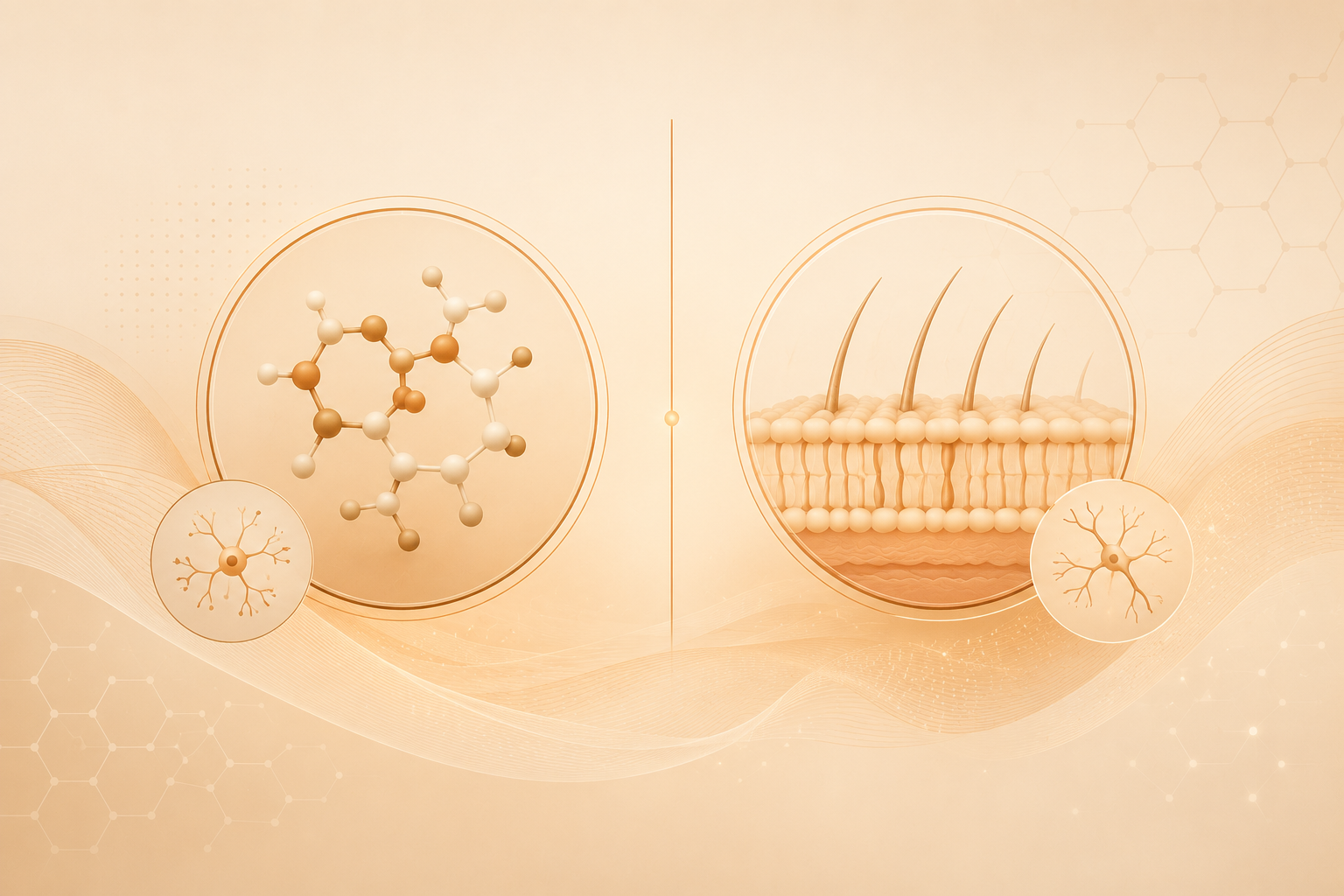
Ivermectin and permethrin are two of the most widely used antiparasitic agents in dermatology, frequently compared in the context of Demodex, scabies, and topical antiparasitic therapy. Although both are effective, they differ in their active molecules, mechanisms of action, formulations, and clinical applications. These distinctions determine when each treatment is preferred and how patients respond to therapy.

Active Substances: Ivermectin vs Permethrin

Ivermectin is a macrocyclic lactone with potent anti‑Demodex and anti‑inflammatory properties. Permethrin is a synthetic pyrethroid that acts as a neurotoxin for mites and insects. While both eliminate parasites, ivermectin additionally modulates inflammatory pathways, making it more suitable for inflammatory skin conditions such as rosacea.

Formulations: Creams, Lotions, Gels

Ivermectin is commonly available as 1% cream for facial use and oral tablets for systemic infestations. Permethrin is typically formulated as 5% cream, lotions, or rinse‑off treatments, primarily for scabies and lice. Ivermectin creams are optimized for sensitive skin, whereas permethrin formulations are often heavier and more irritating.

Differences in Mechanism of Action

  • Ivermectin MOA — binds to glutamate‑gated chloride channels → paralysis and death of mites + anti‑inflammatory cytokine suppression.
  • Permethrin MOA — disrupts sodium channels → neurotoxicity → rapid mite immobilization.

Ivermectin’s dual mechanism makes it more effective for Demodex‑associated inflammation, while permethrin is primarily a neurotoxic antiparasitic.

Differences in Clinical Scenarios

  • Ivermectin topical — preferred for Demodex rosacea, inflammatory facial dermatoses, and sensitive skin.
  • Permethrin — first‑line for scabies and lice; less suitable for facial use due to irritation potential.

Ivermectin vs Permethrin — Basic Differences

Parameter Ivermectin Permethrin
Active substance Macrocyclic lactone; anti‑Demodex + anti‑inflammatory Pyrethroid; neurotoxic antiparasitic
Formulations 1% cream, oral tablets 5% cream, lotions, rinse‑off products
Mechanism Paralysis of mites + cytokine suppression Neurotoxicity via sodium channel disruption
Clinical use Demodex rosacea, inflammatory dermatoses Scabies, lice; limited facial use

Mechanism of Action (MOA) — Fundamental Difference

Ivermectin and permethrin share antiparasitic activity, but their mechanisms of action differ at a molecular level, leading to distinct clinical effects, tolerability profiles, and therapeutic roles. Understanding these mechanistic differences is essential for selecting the optimal treatment for Demodex, scabies, or inflammatory dermatoses. A detailed mechanistic overview is available at Ivermectin MOA.

Ivermectin — Glutamate‑Gated Chloride Channel Modulation

Ivermectin binds selectively to glutamate‑gated chloride channels in nerve and muscle cells of mites and parasites. This increases chloride influx, causing hyperpolarization, paralysis, and eventual death of Demodex and other ectoparasites. Beyond its antiparasitic effect, ivermectin also exhibits a strong anti‑inflammatory action, suppressing IL‑8, TNF‑α, and TLR‑2 pathways. This dual mechanism makes ivermectin uniquely effective for inflammatory conditions such as Demodex rosacea.

Permethrin — Sodium Channel Disruption

Permethrin acts on voltage‑gated sodium channels, prolonging depolarization and causing paralysis of mites, lice, and scabies parasites. While highly effective as a neurotoxin, permethrin lacks significant anti‑inflammatory properties. As a result, it eliminates parasites but does not reduce inflammation, making it less suitable for inflammatory facial dermatoses.

Clinical Implications of MOA Differences

  • Ivermectin — ideal for Demodex rosacea, inflammatory lesions, and sensitive skin.
  • Permethrin — first‑line for scabies and lice; less suitable for facial use due to irritation potential.

MOA Ivermectin vs Permethrin — Comparison

Parameter Ivermectin Permethrin
Primary target Glutamate‑gated chloride channels Sodium channels
Effect Paralysis + anti‑inflammatory action Neurotoxic paralysis
Anti‑inflammatory Strong Absent
Best use Demodex rosacea, inflammatory dermatoses Scabies, lice

Pharmacokinetics (PK) — Similarities and Differences

Although both ivermectin and permethrin are used topically with minimal systemic absorption, their pharmacokinetic behavior within the skin differs significantly. These differences influence tolerability, penetration depth, and suitability for facial or body use. A detailed PK overview is available at Ivermectin PK.

Minimal Systemic Absorption

Both ivermectin and permethrin exhibit very low systemic absorption when applied topically. Plasma concentrations remain negligible, eliminating systemic side effects and drug interactions. This makes both agents safe for repeated topical use.

Differences in Epidermal Penetration

Ivermectin penetrates deeply into follicular units, where Demodex resides, making it highly effective for follicle‑based conditions. Permethrin distributes more superficially across the stratum corneum, which is sufficient for scabies but less effective for Demodex‑associated dermatoses.

Role of Texture and Excipients

Ivermectin creams (especially dermatology‑optimized formulations) use emollient vehicles that enhance barrier support and reduce irritation. Permethrin creams are often heavier and may contain more irritating excipients, contributing to dryness or burning.

Difference from Oral Ivermectin

Oral ivermectin undergoes systemic distribution and hepatic metabolism, unlike topical ivermectin, which remains localized in the skin. This distinction explains why topical ivermectin has a superior safety profile.

PK Ivermectin vs Permethrin — Key Parameters

Parameter Ivermectin Permethrin
Systemic absorption Minimal Minimal
Skin penetration Deep follicular penetration Superficial epidermal distribution
Vehicle impact Emollient, low irritation Heavier, may irritate
Comparison to oral No systemic exposure Not applicable

Efficacy Against Demodex: Ivermectin vs Permethrin

The effectiveness of ivermectin and permethrin against Demodex folliculorum differs substantially due to their mechanisms of action, follicular penetration, and anti‑inflammatory properties. These differences explain why ivermectin is considered the gold‑standard therapy for Demodex‑associated rosacea, while permethrin remains primarily a treatment for scabies and lice. A detailed mechanistic overview is available at Ivermectin for demodex.

Ivermectin — Strong Reduction of Demodex Density

Ivermectin demonstrates high potency against Demodex mites. It binds to glutamate‑gated chloride channels, causing paralysis and death of the parasite. Clinical studies consistently show:

  • significant reduction in Demodex density within 2–4 weeks
  • marked improvement in papulopustular lesions
  • reduction of erythema and inflammatory swelling

Because ivermectin penetrates deeply into follicular units — the primary habitat of Demodex — it achieves sustained mite suppression. Its anti‑inflammatory activity (IL‑8, TNF‑α, TLR‑2 modulation) further reduces redness and irritation, making it uniquely effective for Demodex‑associated rosacea.

Clinical Data in Demodex‑Associated Rosacea

Multiple RCTs demonstrate that ivermectin 1% cream provides superior lesion clearance compared to metronidazole and azelaic acid in patients with high Demodex density. Improvement is often visible by week 2, with continued reduction of inflammatory lesions over 12 weeks.

Permethrin — Lower Activity Against Demodex

Permethrin acts on sodium channels, causing neurotoxicity in mites. While effective for scabies, its activity against Demodex is significantly weaker. Studies show:

  • slower and less complete reduction of Demodex density
  • higher recurrence rates
  • limited improvement in inflammatory rosacea lesions

Additionally, resistance to permethrin has been documented in various mite populations, potentially reducing its effectiveness. The absence of anti‑inflammatory action further limits its utility in rosacea.

Why Ivermectin Outperforms Permethrin for Demodex

  • deeper follicular penetration
  • dual antiparasitic + anti‑inflammatory mechanism
  • better tolerability for facial skin
  • stronger evidence in rosacea‑specific clinical trials

Demodex Efficacy — Comparison Table

Parameter Ivermectin Permethrin
Demodex reduction Strong; rapid decrease in density Moderate; slower and less complete
Anti‑inflammatory effect Yes; cytokine suppression No
Clinical evidence Extensive data in rosacea Limited for Demodex
Resistance Rare Possible; documented in mites
Best use Demodex rosacea, inflammatory lesions Scabies, lice; not ideal for rosacea

Efficacy in Scabies: Ivermectin vs Permethrin

Ivermectin and permethrin are both widely used in scabies management, but their roles differ depending on disease severity, patient characteristics, and treatment goals. Understanding these distinctions is essential for comparing their effectiveness across clinical scenarios.

Ivermectin (Oral + Topical)

Oral ivermectin is particularly valuable in severe, extensive, or treatment‑resistant scabies, including institutional outbreaks and cases where topical therapy is impractical. It is also a cornerstone therapy for crusted (Norwegian) scabies, where mite burden is extremely high and topical agents alone are insufficient.

Topical ivermectin 1% cream is less commonly used for scabies than oral therapy but may support localized treatment or be used when permethrin is not tolerated. Its anti‑inflammatory properties may reduce irritation during recovery.

Permethrin

Permethrin 5% cream remains the first‑line standard for uncomplicated scabies worldwide. It is highly effective, safe for most age groups, and supported by decades of clinical use. For typical scabies, permethrin achieves high cure rates when applied thoroughly and repeated as recommended.

Clinical Implications

  • Ivermectin — preferred for crusted scabies, outbreaks, severe cases, or when topical therapy is impractical.
  • Permethrin — optimal for standard scabies; widely available and well studied.

Scabies: Ivermectin vs Permethrin — Comparison

Parameter Ivermectin Permethrin
Best use Severe, crusted, outbreak settings Standard first‑line for typical scabies
Form Oral + topical Topical 5% cream
Efficacy High, especially in severe cases High for uncomplicated scabies
Inflammation control Yes (anti‑inflammatory) No

Efficacy in Lice: Ivermectin vs Permethrin

The effectiveness of ivermectin and permethrin in treating lice differs significantly due to resistance patterns, formulation strengths, and mechanisms of action. These differences influence treatment success, especially in regions with high permethrin resistance.

Ivermectin Lotion 0.5%

Ivermectin 0.5% lotion is a modern, highly effective pediculicide. It works by paralyzing lice and preventing survival of newly hatched nymphs. Key advantages include:

  • high cure rates after a single application
  • no need for nit combing
  • effectiveness even in resistant lice populations

Permethrin 1%

Permethrin 1% has long been a standard OTC treatment for head lice. However, widespread permethrin resistance has reduced its effectiveness in many regions. Cure rates vary significantly depending on local resistance patterns.

Resistance Differences

Permethrin resistance is well documented and continues to rise. Ivermectin retains strong activity against resistant lice due to its different molecular target.

Lice: Ivermectin vs Permethrin — Comparison

Parameter Ivermectin Permethrin
Formulation 0.5% lotion 1% lotion/cream rinse
Efficacy High; single‑application success Variable; reduced by resistance
Resistance Low; effective against resistant lice High in many regions
Need for combing No Often recommended

Tolerability and Side Effects: Ivermectin vs Permethrin

Ivermectin and permethrin differ significantly in tolerability, irritation potential, and overall comfort during treatment. These differences stem from their mechanisms of action, vehicle formulations, and how they interact with sensitive or inflamed skin. A detailed overview of ivermectin’s topical safety profile is available at Ivermectin topical — side effects.

Ivermectin — Gentle Tolerability and Low Irritation Risk

Topical ivermectin (1% cream) is known for its excellent tolerability, especially on sensitive facial skin. Its dermatology‑optimized emollient base minimizes friction, supports the skin barrier, and reduces the likelihood of irritation. Key advantages include:

  • very low incidence of burning or stinging
  • rare dryness or peeling
  • smooth, non‑irritating texture suitable for daily use

Additionally, ivermectin’s anti‑inflammatory properties (suppression of IL‑8, TNF‑α, TLR‑2) help reduce skin reactivity, making it particularly beneficial for inflammatory dermatoses such as Demodex rosacea.

Permethrin — Higher Irritation Potential

Permethrin 5% cream is effective but often more irritating, especially when applied to the face. Common reactions include:

  • burning or stinging immediately after application
  • dryness and tightness
  • erythema or mild swelling

Because permethrin lacks anti‑inflammatory activity and contains heavier, sometimes harsher excipients, it is less suitable for sensitive or rosacea‑prone skin. Its irritation potential is one of the reasons ivermectin is preferred for facial Demodex‑related conditions.

Why Ivermectin Is Better Tolerated

  • emollient vehicle reduces irritation
  • anti‑inflammatory effect calms reactive skin
  • lower risk of dryness compared to permethrin
  • more comfortable for long‑term or facial use

Side Effects: Ivermectin vs Permethrin — Comparison

Parameter Ivermectin Permethrin
Irritation risk Very low Moderate to high
Burning/stinging Rare, mild Common
Dryness Uncommon Frequent
Anti‑inflammatory effect Yes No
Suitability for facial use High Low

Indication Comparison: Ivermectin vs Permethrin

Ivermectin and permethrin differ substantially in their clinical indications, dermatologic relevance, and suitability for inflammatory or parasitic conditions. Although both possess antiparasitic activity, ivermectin’s anti‑inflammatory properties and deeper follicular penetration make it more versatile in facial dermatoses, while permethrin remains a first‑line agent for scabies and lice. Detailed indication‑specific information is available at Ivermectin for rosacea, Ivermectin for demodex, Ivermectin for acne, Ivermectin for perioral dermatitis.

Rosacea

Topical ivermectin 1% cream is a leading therapy for papulopustular rosacea, especially when Demodex overgrowth is present. Its dual mechanism — antiparasitic + anti‑inflammatory — reduces lesions, erythema, and skin sensitivity. Permethrin, by contrast, is not recommended for rosacea due to its irritation potential and lack of anti‑inflammatory action.

Demodex Infestation

Ivermectin is highly effective for Demodex‑associated dermatoses, rapidly reducing mite density and improving inflammatory symptoms. Permethrin shows lower activity against Demodex, slower response, and potential resistance, making it less suitable for facial Demodex conditions.

Acne (Off‑Label)

Ivermectin is sometimes used off‑label for inflammatory acne, particularly when Demodex contributes to follicular irritation. Its anti‑inflammatory effect can reduce redness and swelling. Permethrin has no role in acne management.

Perioral Dermatitis (Off‑Label)

Ivermectin may be used off‑label for perioral dermatitis, especially steroid‑induced or Demodex‑associated variants. Its gentle tolerability makes it suitable for sensitive perioral skin. Permethrin is not used for this condition due to irritation and lack of evidence.

Indications: Ivermectin vs Permethrin — Comparison Table

Indication Ivermectin Permethrin
Rosacea Effective; first‑line for papulopustular rosacea Not recommended
Demodex infestation High efficacy; strong clinical evidence Lower efficacy; possible resistance
Acne (off‑label) Useful in inflammatory/Demodex‑related acne No role
Perioral dermatitis (off‑label) Beneficial for sensitive, reactive skin Not used

Ivermectin vs Permethrin vs Metronidazole / Azelaic Acid — Comparative Overview

This three‑way comparison highlights how ivermectin, permethrin, metronidazole, and azelaic acid differ in their effectiveness, tolerability, and suitability for various dermatologic conditions — especially rosacea, Demodex‑associated dermatoses, and sensitive skin types. Detailed comparisons are available at Ivermectin vs Metronidazole and Ivermectin vs Azelaic acid.

Rosacea / Demodex‑Associated Rosacea

Ivermectin 1% cream is the most effective option for papulopustular rosacea with Demodex involvement. It combines antiparasitic action with strong anti‑inflammatory effects, reducing lesions, erythema, and skin sensitivity. Metronidazole is effective for mild to moderate rosacea but less potent in Demodex‑driven cases. Azelaic acid improves redness and lesions but is more irritating. Permethrin is not recommended for rosacea due to irritation and limited anti‑Demodex activity.

Effectiveness

  • Ivermectin — strongest efficacy for Demodex rosacea; dual mechanism.
  • Metronidazole — moderate efficacy; good for vascular‑inflammatory balance.
  • Azelaic acid — effective but slower; more irritation.
  • Permethrin — effective for scabies/lice; weak for Demodex.

Tolerability

Ivermectin has the best tolerability profile due to its emollient base and anti‑inflammatory effect. Metronidazole is generally well tolerated but may cause dryness. Azelaic acid frequently causes burning and stinging. Permethrin is the most irritating, especially on facial skin.

Skin Type Suitability

  • Ivermectin — ideal for sensitive, reactive, rosacea‑prone skin.
  • Metronidazole — suitable for most skin types.
  • Azelaic acid — better for oily/combination skin; may irritate sensitive skin.
  • Permethrin — not suitable for facial use; best for body scabies treatment.

Ivermectin vs Permethrin vs Metronidazole / Azelaic Acid — Comparison Table

Parameter Ivermectin Permethrin Metronidazole Azelaic acid
Rosacea efficacy High; best for Demodex rosacea Not recommended Moderate Moderate–high; more irritation
Demodex efficacy Strong Weak; possible resistance Low Low
Tolerability Excellent Poor for facial use Good Moderate; stinging common
Skin type suitability Sensitive, reactive skin Body skin only Most skin types Oily/combination; caution in sensitive skin

Price and Commercial Differences: Ivermectin vs Permethrin

The commercial landscape for ivermectin and permethrin differs significantly due to formulation complexity, brand vs generic availability, and therapeutic positioning. These factors influence cost across indications such as rosacea, Demodex infestation, scabies, and lice. More detailed pricing information is available at Ivermectin price and Soolantra price.

Ivermectin — Branded and Generic Forms

Ivermectin is available in multiple forms, each with distinct pricing:

  • Topical branded ivermectin (Soolantra) — premium dermatology‑grade formulation with a higher price point.
  • Generic ivermectin creams — more affordable but variable in quality and tolerability.
  • Oral ivermectin tablets — typically inexpensive generics used for scabies, strongyloidiasis, and outbreaks.

For rosacea and Demodex‑associated dermatoses, branded ivermectin is significantly more expensive due to its optimized vehicle and clinical evidence.

Permethrin — Low‑Cost Generic

Permethrin 5% cream is widely available as a low‑cost generic. Its simple formulation and long‑standing use in scabies management make it one of the most affordable antiparasitic topicals. For lice, permethrin 1% is also inexpensive and OTC, though resistance reduces cost‑effectiveness in some regions.

Cost Differences by Indication

  • Rosacea — ivermectin (branded) is far more expensive; permethrin is not used.
  • Demodex dermatoses — ivermectin is preferred; permethrin is cheaper but less effective.
  • Scabies — permethrin is the cheapest first‑line option; oral ivermectin is used for severe cases.
  • Lice — ivermectin lotion is more expensive but more effective in resistant cases.

Price Comparison — Ivermectin vs Permethrin

Parameter Ivermectin Permethrin
Topical cost High (branded) / moderate (generic) Low
Oral cost Low Not applicable
Use in rosacea Expensive Not used
Use in scabies Moderate (oral) Very low

Final Comparison: Ivermectin vs Permethrin

Ivermectin and permethrin differ across mechanism, tolerability, clinical indications, and cost. Ivermectin offers a dual antiparasitic and anti‑inflammatory effect, making it the superior choice for Demodex‑associated rosacea, sensitive skin, and inflammatory dermatoses. Permethrin, while highly effective for scabies and lice, lacks anti‑inflammatory activity and is more irritating, especially on the face.

When Ivermectin Is Preferable

  • Demodex rosacea and inflammatory facial dermatoses
  • Patients with sensitive or reactive skin
  • Cases where anti‑inflammatory action is beneficial
  • Permethrin‑resistant lice infestations

When Permethrin Is a Sufficient Alternative

  • Typical scabies (first‑line therapy)
  • Body‑focused parasitic infestations
  • Situations requiring low‑cost treatment
  • OTC lice management in regions without resistance

Ivermectin vs Permethrin — Final Summary Table

Parameter Ivermectin Permethrin
Best use Demodex rosacea, resistant lice, severe scabies Typical scabies, OTC lice
Tolerability Excellent Moderate; facial irritation common
Anti‑inflammatory Yes No
Cost Higher (topical) Low

Ivermectin vs Permethrin – Frequently Asked Questions

Ivermectin and permethrin are both antiparasitic agents, but they work through different mechanisms and are used for different conditions. Ivermectin provides anti-Demodex and anti-inflammatory effects, making it useful for Demodex-associated skin issues and certain rosacea presentations. Permethrin acts through neurotoxic effects on parasites, rapidly immobilizing scabies mites and lice. Their indications, tolerability, and formulations differ, which influences how each treatment is used in dermatology.

Topical ivermectin works through a dual mechanism: anti-inflammatory activity that helps calm irritation and redness, and anti-Demodex effects that reduce mite density on the skin. This makes it a common option for Demodex-associated conditions and papulopustular rosacea. Because it is applied directly to the skin, systemic absorption is minimal, and most effects remain localized to the treated area.

Permethrin works by disrupting the nervous system of parasites such as scabies mites and lice. It interferes with sodium transport in nerve cells, leading to paralysis and eventual death of the parasite. Because of its rapid neurotoxic action, permethrin is widely used for scabies and lice infestations. It is available in various strengths and formulations depending on the condition being treated.

Ivermectin is generally preferred for Demodex-associated conditions because it directly reduces mite density while also calming inflammation. Permethrin has antiparasitic activity but is not typically used for Demodex-related skin issues. Many users with Demodex-associated irritation or papulopustular rosacea report more consistent results with ivermectin-based treatments.

Permethrin is widely used as a first-line topical treatment for scabies due to its rapid neurotoxic action on mites. Ivermectin may also be used, especially in oral form, for severe, crusted, or treatment-resistant cases. In some situations, both treatments are used together for enhanced effectiveness. The choice depends on severity, response, and individual tolerability.

Permethrin is commonly used for lice because of its fast-acting neurotoxic effects. Ivermectin may also be used, particularly in cases where lice show reduced sensitivity to permethrin. Topical ivermectin formulations can help immobilize lice and reduce reinfestation risk. The choice often depends on resistance patterns, severity, and product availability.

Ivermectin typically causes mild, localized side effects such as redness, dryness, or temporary irritation. Permethrin may cause itching, burning, or stinging, especially in sensitive skin. Because permethrin acts through neurotoxic effects on parasites, some users experience temporary irritation as mites die off. Overall tolerability varies depending on skin sensitivity and the condition being treated.

Many users find topical ivermectin gentler due to its anti-inflammatory properties and smoother cream formulations. Permethrin can be more irritating, especially during the initial treatment phase when parasites begin to die. However, tolerability varies widely depending on skin sensitivity, formulation strength, and the condition being treated. Both treatments are generally well tolerated when used as directed.

In some cases—particularly severe or treatment-resistant scabies—ivermectin and permethrin may be used together. This combination approach targets parasites through different mechanisms and may improve outcomes. For Demodex-related conditions, ivermectin is typically preferred alone. Combining treatments should be done cautiously due to the potential for increased irritation.

Permethrin generally works faster for scabies and lice due to its rapid neurotoxic action on parasites. Ivermectin may take longer to show visible improvement, especially for Demodex-associated conditions where inflammation gradually decreases. The speed of results depends on the condition being treated, severity, and individual response.

Ivermectin is available as topical creams and oral formulations, with topical versions commonly used for Demodex-associated skin issues. Permethrin is available as creams, lotions, and shampoos, depending on whether it is used for scabies or lice. Formulation differences influence texture, application method, and tolerability, making certain products more suitable for specific conditions.

Ivermectin is generally considered more effective for Demodex-associated rosacea due to its dual anti-inflammatory and anti-Demodex action. Permethrin has antiparasitic activity but is not commonly used for rosacea. Many users report improved skin comfort, reduced irritation, and fewer inflammatory lesions with ivermectin-based treatments.

Permethrin is generally more affordable and widely available in multiple strengths. Ivermectin creams may be more expensive, especially branded formulations, though generic versions are often more cost-effective. The choice between the two depends on the condition being treated, product availability, and individual preference for formulation and tolerability.

Additional information is available in related sections covering ivermectin topical, ivermectin for Demodex, and detailed comparisons between ivermectin and permethrin. These resources provide deeper insights into mechanisms, tolerability, clinical data, and how each treatment fits into Demodex, scabies, and lice management.